Enhance Car Park Safety with Australian Standard-Compliant Wheel Stops from Tactile Systems
Ensure optimal vehicle management and superior site safety with Tactile Systems’ range of high-performance wheel stops. As a trusted Australian provider, we supply robust solutions designed to protect infrastructure, prevent overruns, and maintain orderly parking in any environment, from bustling commercial centres to private developments.
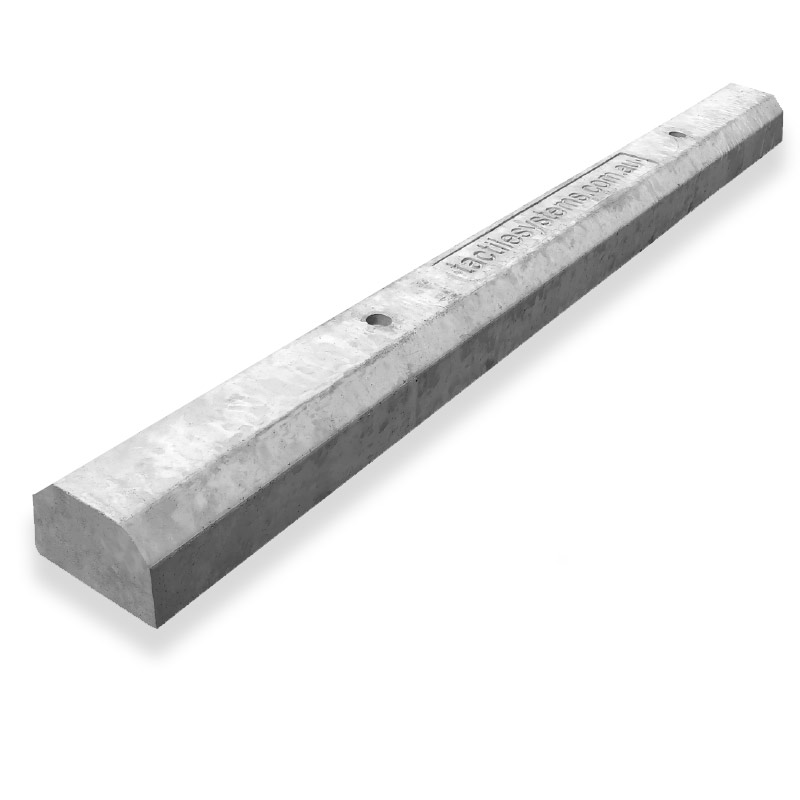
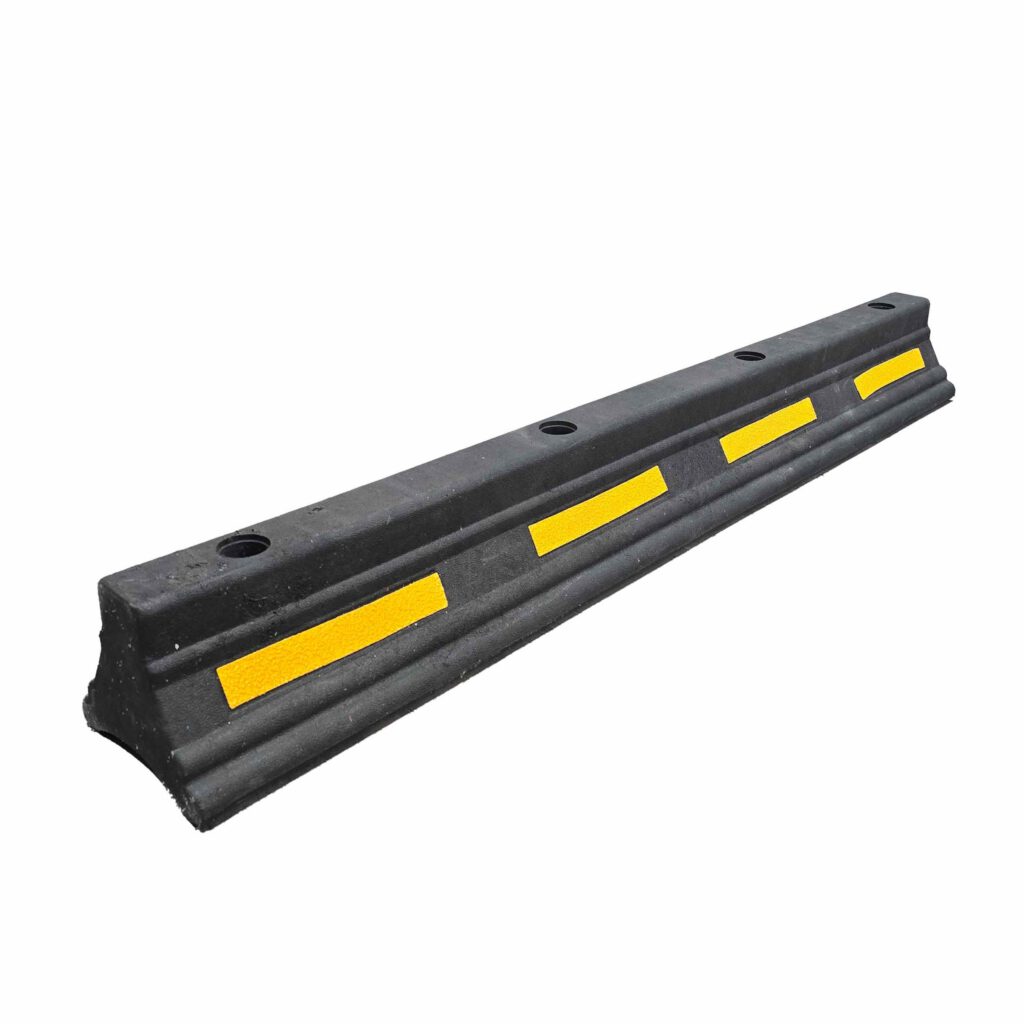
Our wheel stops are engineered for exceptional durability and full compliance with Australian Standards (AS/NZS 2890.1:2004). Discover our versatile selection, including heavy-duty concrete wheel stops for maximum resilience in high-traffic areas, and flexible, impact-absorbing rubber wheel stops ideal for general car park applications where vehicle protection is key. Each wheel stop solution offers reliable performance and long-lasting value.
Choose Tactile Systems for expert advice and quality products that elevate your car park safety.
Explore our range of Tactile Systems wheel stops today or contact our friendly team for tailored advice and a quote.
Frequently Asked Questions (FAQs)
A wheel stop, also known as a parking block or car stop, is a physical barrier installed at the end of a parking bay. Its primary function is to limit how far a vehicle can travel into a parking space, preventing over-encroachment. Typically made from durable materials like rubber or concrete, these low-profile barriers are a common sight in Australian car parks, offering a clear demarcation for drivers and enhancing overall safety.
The purpose of a wheel stop is multi-faceted, focusing on safety, damage prevention, and efficient space management within parking areas. They:
- Prevent vehicle overshooting: Stop vehicles from encroaching onto pedestrian walkways, adjacent parking spaces, or colliding with walls, fences, and other structures.
- Protect property and infrastructure: Minimise the risk of damage to buildings, landscaping, and other parked vehicles.
- Enhance pedestrian safety: Create a safer environment for pedestrians by ensuring vehicles remain within their designated bays and do not obstruct pathways.
- Improve car park organisation: Help maintain an organised and efficient car park layout by guiding drivers to park correctly.
- Assist with compliance: Contribute to meeting Australian Standards for car park design and safety.
The key Australian standard governing the design and installation of wheel stops is AS/NZS 2890.1:2004 – Parking Facilities, Part 1: Off-street car parking. This standard provides essential guidelines to ensure parking areas are safe, functional, and accessible. Compliance with AS/NZS 2890.1:2004 is crucial for new car park developments and often applies to renovations, ensuring a consistent level of safety and performance across Australia.
AS/NZS 2890.1:2004 (Parking Facilities, Part 1: Off-street car parking) is a critical Australian standard that outlines the minimum requirements for the design and layout of off-street parking facilities. For wheel stops, this standard specifies:
Dimensions: Mandating a height between 90mm and 100mm, and a width of 1650mm +/- 50mm.
Placement: Providing precise measurements for installation relative to kerbs or walls, depending on whether a vehicle is front-in or rear-in. For instance, for a standard kerb (up to 150mm high) and front-in parking, the wheel stop should be 620mm from the kerb to the back of the stop.
Purpose: Ensuring wheel stops effectively limit vehicle travel without causing damage or obstruction, and do not impede pedestrian movement.
Materials: While not explicitly mandating materials, it implies that chosen materials must meet the dimensional and performance requirements.
Adhering to AS2890.1 helps ensure public safety, accessibility, and legal compliance for car park operators and developers.
In Australia, wheel stops are commonly manufactured from several durable materials, each offering distinct advantages:
Concrete Wheel Stops:
- Traditionally popular for their strength and heavy-duty applications.
- Manufactured to be robust, often with reinforcing bars for added durability.
- Ideal for industrial settings, warehouses, and car parks requiring a highly rigid barrier.
- Tactile Systems' Concrete Wheel Stops are manufactured from 40mpa concrete with two reinforcing bars.
Rubber Wheel Stops:
- Increasingly favoured for their flexibility, impact absorption, and environmental benefits.
- Often made from recycled rubber, making them an eco-friendly choice.
- Highly durable, resistant to chipping, cracking, and corrosion, and more forgiving on vehicles upon impact.
- Typically feature high-visibility colours or reflective panels for enhanced visibility.
- Tactile Systems offers Premium Rubber Wheel Stops with reflective markings and a strong, durable construction.
The choice of material depends on the specific application, desired durability, environmental considerations, and budget.
The placement of wheel stops is critical for both safety and compliance with Australian standards. According to AS/NZS 2890.1:2004, the distance a wheel stop should be placed from a kerb or wall depends on the parking configuration:
Standard Kerb (up to 150mm high):
- Front-in parking: The back of the wheel stop should be 620mm from the face of the kerb.
- Rear-in parking: The back of the wheel stop should be 900mm from the face of the kerb.
High Kerb or Wall (higher than 150mm):
- Front-in parking: The back of the wheel stop should be 820mm from the face of the kerb/wall.
- Rear-in parking: The back of the wheel stop should be 1100mm from the face of the kerb/wall.
These specific measurements ensure sufficient clearance for vehicles and prevent damage to both vehicles and surrounding structures, while maintaining pedestrian safety.
Wheel stops are essential safety components with diverse applications, installed in various locations to manage traffic flow, protect assets, and enhance safety:
- Car Parks: Most commonly found in public, commercial, and residential car parks (e.g., shopping centres, supermarkets, office buildings, apartment complexes) to define parking bays and prevent vehicles from overhanging.
- Industrial and Warehouse Environments: Used to protect machinery, racking, walls, and pedestrian walkways from heavy vehicle traffic like forklifts and trucks.
- Residential Garages/Driveways: Can be installed at home to prevent vehicles from hitting garage walls or exceeding driveway boundaries.
- Fencelines: Placed along property boundaries or fencelines to prevent vehicles from causing damage.
- Designated Areas: Utilised to mark specific parking areas, such as disabled parking bays, EV charging stations, or employee parking, ensuring vehicles remain within their assigned zones.
- Near Storefronts: Crucial for preventing vehicles from impacting large storefront windows, reducing the risk of significant damage.
It's vital that wheel stops are installed according to Australian Standards, particularly AS/NZS 2890.1:2004, to ensure effectiveness and compliance. Installation should avoid areas where they could impede pedestrian movement.
The decision to install wheel stops often comes down to enhancing safety, preventing damage, and ensuring compliance. You likely need wheel stops if:
- Vehicles in your parking facility frequently overhang pedestrian pathways, creating tripping hazards.
- There's a risk of vehicles colliding with walls, buildings, landscaping, or other parked cars.
- Your car park requires clearer demarcation of parking spaces to improve organisation and flow.
- You need to comply with Australian Standards (AS/NZS 2890.1:2004) for new or upgraded parking facilities.
- You operate in an industrial or warehouse setting where vehicle movements pose a risk to assets or personnel.
While not always legally mandated in every scenario, installing compliant concrete wheel stops or rubber wheel stops is a smart investment that can significantly reduce accidents, protect property, and provide peace of mind.
The choice between concrete wheel stops and rubber wheel stops depends on your specific needs, budget, and desired characteristics.
Concrete Wheel Stops:
- Pros: Highly durable, robust for heavy-duty applications, and generally more resistant to extreme weather. Tactile Systems' concrete options offer superior strength from 40mpa concrete with reinforcing bars.
- Cons: Heavier and more difficult to install (often requiring multiple people), less forgiving on vehicles upon impact, and can be prone to chipping or cracking over time, especially if repeatedly hit. They can also be harder to recycle.
Rubber Wheel Stops:
- Pros: Lighter, easier, and quicker to install (often by one person), more flexible and impact-absorbing (less damaging to vehicles), resistant to chipping/cracking, and often made from recycled materials, making them environmentally friendly. Tactile Systems' premium rubber wheel stops feature high visibility and excellent durability in harsh climates.
- Cons: May be perceived as less robust for very heavy vehicle applications, though modern designs offer significant strength. Some older rubber types might show signs of weathering over very long periods.
For most standard car park applications, rubber wheel stops are generally considered a more practical, economical, and forgiving choice due to their ease of installation, durability, and reduced risk of vehicle damage. However, for specific heavy-duty or industrial needs, concrete wheel stops may be preferred.
Concrete wheel stops are known for their durability and can offer a long service life, often ranging from 5 to 10 years or even longer with proper installation and maintenance. Advancements in concrete technology, such as those used in Tactile Systems' products (40MPa concrete with reinforcing bars), can extend their lifespan significantly, potentially lasting 20 to 40 years. Their longevity is due to concrete's inherent strength and resistance to weathering. However, they can be susceptible to chipping, cracking, or breaking if subjected to repeated forceful impacts or if not installed correctly. Unlike rubber, damaged concrete wheel stops cannot be easily repaired and typically require full replacement.
Rubber wheel stops are designed for impressive durability and can provide reliable service for a considerable period. With proper installation and maintenance, high-quality rubber wheel stops generally last between 5 to 10 years. Many reputable suppliers, including Tactile Systems, offer warranties (e.g., 1-year product warranty) that reflect their expected lifespan. These wheel stops are highly resistant to UV, moisture, oil, and extreme weather conditions, and their flexible nature allows them to conform to various road surfaces without warping, cracking, or chipping. Being made from recycled materials, they also offer an environmentally conscious, long-lasting solution for car park management.

Truck wheel stops are a specialised type of wheel stop designed for heavier vehicles and are required in scenarios where standard car wheel stops may not provide adequate safety or prevent significant damage. These are typically needed in:
- Loading Docks and Bays: To prevent heavy vehicles like trucks and trailers from reversing too far and damaging buildings, equipment, or injuring personnel during loading and unloading operations.
- Warehouses and Industrial Facilities: Where large commercial vehicles, forklifts, or heavy machinery operate, truck wheel stops provide a robust barrier to protect property and ensure safe movement.
- Bus Depots and Transport Hubs: To define parking areas for buses and other large passenger vehicles, preventing them from encroaching on restricted zones or pedestrian areas.
- Areas with Steep Inclines: To help immobilise heavy vehicles and prevent dangerous roll-aways, which can lead to serious injuries or fatalities.
- Heavy Vehicle Parking Areas: Any designated parking area for trucks or other heavy vehicles would benefit from the enhanced stopping power and durability of truck-specific wheel stops.
Tactile Systems offers Truck Wheel Stops specifically designed with heavy-duty construction and reinforced rib designs to withstand the significant impact of larger vehicles, ensuring maximum visibility and long-term durability.
When it comes to enhancing safety and ensuring compliance in your car park or facility, choosing Tactile Systems wheel stops offers unparalleled benefits:
- Australian Standard Compliance: All our concrete wheel stops and rubber wheel stops are meticulously designed and manufactured to comply with AS/NZS 2890.1:2004, ensuring your project meets strict Australian safety and accessibility regulations.
- Superior Quality & Durability: With over 20 years of industry experience, we offer a range of heavy-duty wheel stops moulded from premium concrete (40MPa with reinforcing bars) or tough, recycled composite rubber. Our products are engineered for excellent resistance to fading, cracking, and chipping, providing years of reliable service in Australia's harsh climate.
- Enhanced Safety Features: Our premium rubber wheel stops feature embedded reflective yellow markings for maximum visibility, crucial for both day and night conditions. Our designs include chamfered edges to aid in water shedding and reinforced rib designs for increased structural integrity and impact resistance.
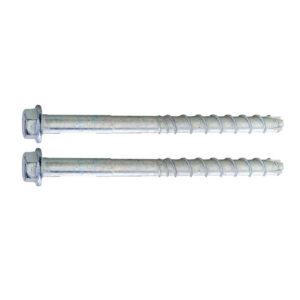
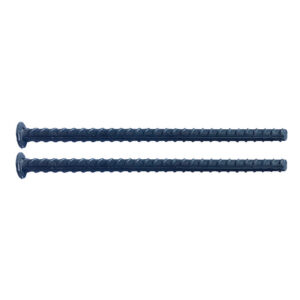
- Ease of Installation: Many of our wheel stops are designed for straightforward installation, with moulded-in fixing points compatible with concrete screws or bitumen spikes, making the process efficient.
- Comprehensive Solutions: As part of our broader range of Car Park Fixtures, we provide integrated solutions for all your traffic management and safety requirements.
Ready to enhance the safety and functionality of your parking facility? Explore the full range of Tactile Systems wheel stops today or contact our expert team for tailored advice and a quote. Invest in quality, compliance, and peace of mind with Tactile Systems.