

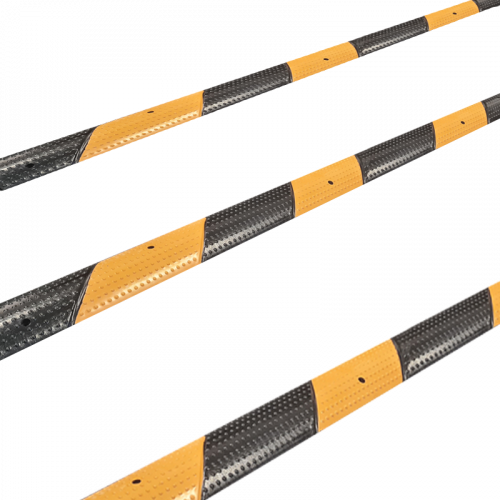
Enhance Road Safety with Durable Rumble Strips from Tactile Systems
Rumble strips are essential for enhancing safety and managing traffic flow in car parks and various other environments.
Our rumble strips and rumble bars provide a clear, unmistakable warning to changes in road conditions or upcoming hazards – preventing collisions and improving overall site safety.
As a trusted Australian provider, we supply robust and cost-effective safety solutions – promoting safer driving habits and protecting both pedestrians and vehicles within your premises.
Can’t find what you need? Contact our friendly team for tailored advice and a quote.
Frequently Asked Questions (FAQs)
The primary purpose of rumble strips is to serve as an effective sensory warning device for drivers, significantly enhancing road and site safety. Unlike physical barriers, their core function is to alert and inform, rather than physically impede, vehicles. This overarching goal is achieved through:
Driver Alertness: By creating a distinctive audible rumbling sound and tactile vibration when driven over, rumble strips instantly capture a driver's attention. This is crucial for combating fatigue, distraction, or inattention, ensuring drivers are aware of their surroundings and upcoming conditions.
Hazard Warning: They act as a proactive warning system for various critical situations. This includes alerting drivers to approaching intersections, railway crossings, sharp curves, pedestrian zones, or the presence of a stop sign, giving them vital time to react.
Lane Departure Prevention: Often used as road rumble strips along highway shoulders and centre lines, they effectively warn drivers who might be drifting out of their lane, preventing run-off-road crashes and head-on collisions.
Speed Management: While not physically forcing speed reduction like speed humps, rumble strips encourage drivers to slow down by signalling a need for increased caution, particularly in areas like car parks or school zones where slower speeds are essential for safety rumble strips.
In essence, rumble strips provide an indispensable layer of safety by ensuring drivers are awake, aware, and making informed decisions on the road or within a facility.
Rumble strips are highly versatile safety rumble strips used in a wide range of scenarios to alert drivers. Their primary function is to provide an audible and tactile warning, making them ideal for:
Approaching Hazards: Before intersections, sharp curves, railway crossings, or construction zones.
Lane Departure Warnings: Along highway shoulders and centre lines to alert drowsy or distracted drivers drifting out of their lane.
Speed Reduction Zones: On approaches to areas requiring reduced speed, such as school zones, residential streets, or car parks.
Car Park & Facility Safety: To delineate parking bays, direct traffic flow, mark pedestrian crossings, or warn of speed changes within private or commercial properties.
Temporary Work Zones: To alert motorists to temporary traffic control devices or changes in road conditions.
These road rumble strips are a cost-effective solution for preventing accidents by enhancing driver awareness.
No, generally rumble strips are not bad for tyres under normal driving conditions.
Designed for Alertness, Not Damage: Unlike speed humps, which are designed to physically force a vehicle to slow down, rumble strips are engineered to provide a sensory warning (vibration and sound) without causing significant wear or damage to tyres.
Minimal Impact: The design of rumble strips (whether milled grooves or raised rubber bars) ensures that the interaction with a tyre is brief and low-impact.
Long-Term Exposure: Only prolonged, high-speed driving directly on rumble strips for thousands of kilometres might theoretically shorten tyre life, but this is not their intended use. Their purpose is to alert a driver to correct their path immediately.
For property managers and site owners, the safety benefits of rumble strips far outweigh any negligible theoretical tyre wear.
Rumble strips are widely used across public roads and private sites in Australia to improve safety and traffic flow. Common locations include:
Highways & Rural Roads: Along shoulders and centre lines to prevent run-off-road and head-on crashes.
Car Parks: To define bays, guide traffic, and mark pedestrian crossings or entry/exit points.
Approach Areas: Before intersections, roundabouts, railway crossings, and sharp bends.
School Zones & Residential Streets: To encourage slower speeds and increase awareness.
Industrial Sites & Warehouses: To manage on-site traffic and highlight safety zones.
Their versatility makes them a reliable and cost-effective safety solution.
Transverse rumble strips are placed across the road to deliver a strong sensory warning to drivers before high-risk areas.
Hazard Warning: Positioned before stop signs, crossings, and intersections to alert inattentive drivers.
Speed Reduction: Encourage slower driving in school zones, car parks, and near hospitals.
Driver Alertness: Help refocus drowsy or distracted drivers before critical decision points.
They act as a final alert, reinforcing signs and markings to enhance safety.
Rumble strips don’t physically slow vehicles like speed humps do, but they are effective in encouraging drivers to reduce speed and stay alert.
Warning, Not Obstruction: The noise and vibration act as a clear warning, prompting drivers to ease off the accelerator and pay attention.
Promotes Awareness: They alert inattentive or speeding drivers, often leading to instinctive braking and safer driving behavior.
Works With Other Measures: When combined with speed signs or traffic calming features, rumble strips help maintain safer speeds—especially in areas like residential streets and car parks.
Rumble strip bars, or rumble bars, are raised surface-mounted strips that provide visual, audible, and tactile warnings to enhance safety and traffic control.
Visual Boundaries: Clearly mark edges of parking bays, pathways, or restricted zones.
Hazard Alerts: Create noise and vibration to warn drivers of upcoming hazards or changes.
Traffic Guidance: Help direct vehicles through complex areas like drive-throughs or around obstacles.
Flexible Use: Made from durable materials, suitable for temporary or permanent installation.
Subtle Deterrent: Act as a low-impact barrier to discourage speeding or area encroachment.
While both rumble strips and speed humps are traffic calming devices, they serve distinct purposes and operate differently:
Rumble Strips (or Rumble Bars):
Purpose: Alert drivers through noise and vibration.
Effect: Encourage attention and voluntary speed reduction.
Physical Impact: Minimal; not designed to slow vehicles sharply.
Best Used: Near intersections, curves, or in car parks to boost awareness.
Speed Humps:
Purpose: Physically force drivers to slow down.
Effect: Reduce speed to 10–20 km/h to avoid discomfort or vehicle damage.
Physical Impact: Noticeable bump requiring drivers to slow.
Best Used: In school zones, residential streets, and high-pedestrian areas.
Rumble strips alert drivers to:
Lane Departure: Warning when drifting off the road or crossing lanes.
Upcoming Hazards: Intersections, roundabouts, sharp bends, pedestrian crossings.
Road Condition Changes: Construction zones, new speed limits, shared areas.
Stop/Give Way Signs: Provide extra alert before critical signs.
Designated Zones: Entry/exit points, parking bays, or sensitive areas in car parks.
Rumble strips create vibrations and noise when tyres pass over their raised or grooved surface. These sensations travel through the vehicle, alerting drivers by:
- Producing tactile feedback via vibrations felt in the steering wheel, seat, and suspension.
- Creating a distinct audible rumble inside the cabin.
This sensory warning helps regain driver attention, prompting corrective actions like slowing down or steering back on course, thereby enhancing safety.
Yes, rumble strips are a proven, safe road safety measure that effectively alert drivers and reduce accidents.
Accident Reduction: They lower run-off-road crashes by increasing driver alertness.
Non-Damaging: Designed to warn without harming vehicles or tires under normal use.
Emergency Access: Do not slow down emergency vehicles.
Environmentally Friendly: Many are made from recycled materials.
Noise Management: Careful design and placement minimise noise for nearby residents without reducing effectiveness.
Durability: Made from tough materials to endure harsh climates and heavy traffic.
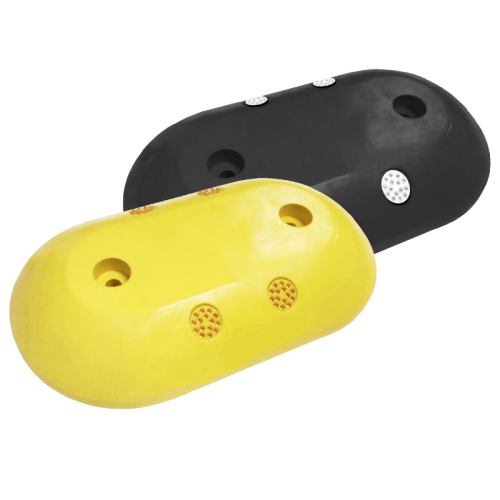
High Visibility: Available in black and yellow for clear visual cues.
Effective Alerts: Engineered for strong tactile and audible warnings.
Easy Installation: Quick to fit with concrete fixings or adhesives, causing minimal disruption.
Versatile Use: Ideal for car parks, industrial areas, commercial sites, and private roads.